Every megawatt, engineered into compute.
Aidni is the AI infrastructure analytics and operations layer for data centers that are short on power. We model your site as one system, covering power, cooling and compute, plan against the grid capacity you actually have, and give AI agents a safe, two-verb interface to help run it.
One Facility Graph. Four modules. Agents that observe and propose, and people who approve.
The utility delivers capacity in stages. Grid computes what each phase can energize after PUE and redundancy, then fits racks and GPUs into that envelope.
Open Aidni Grid →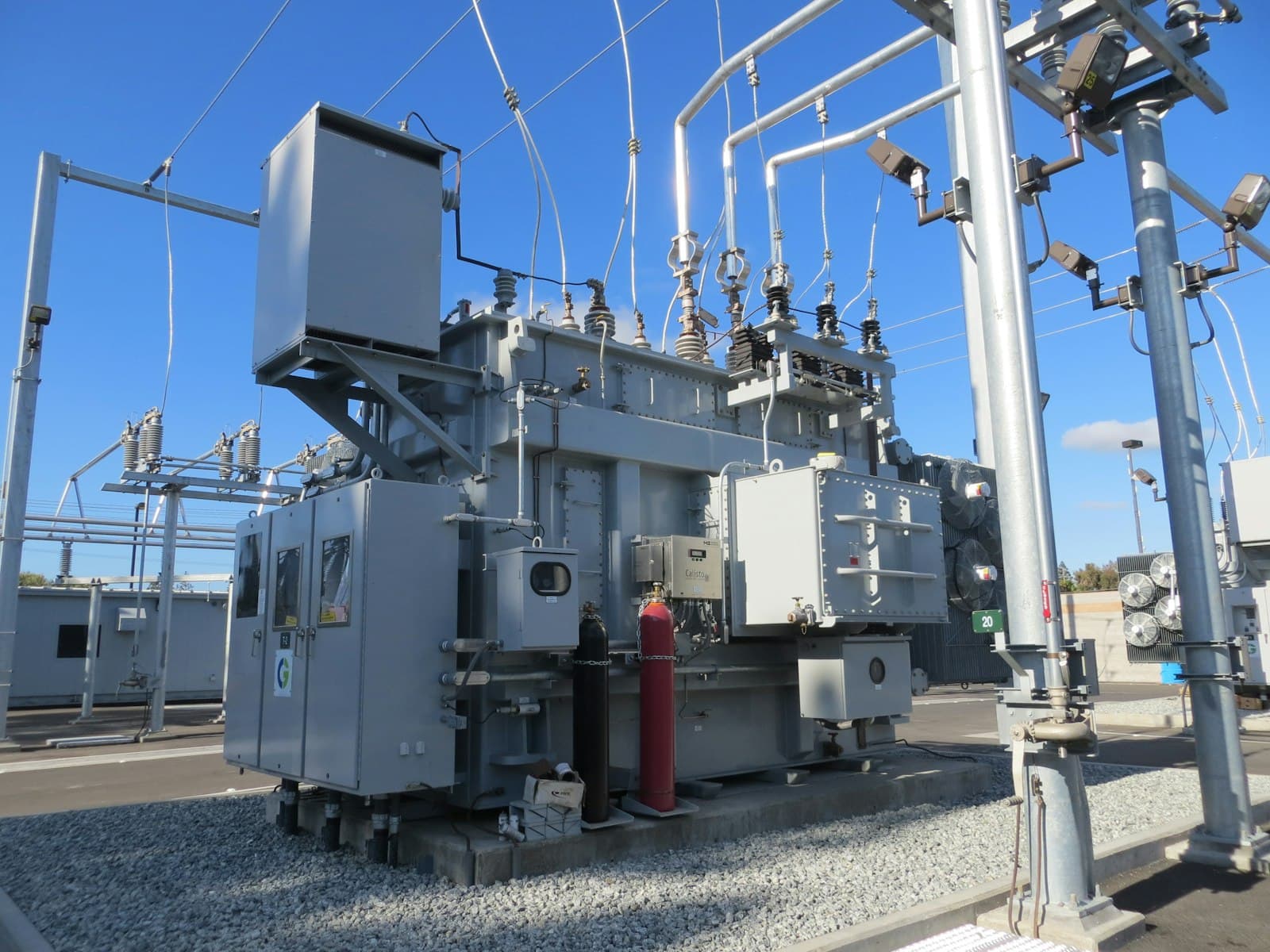
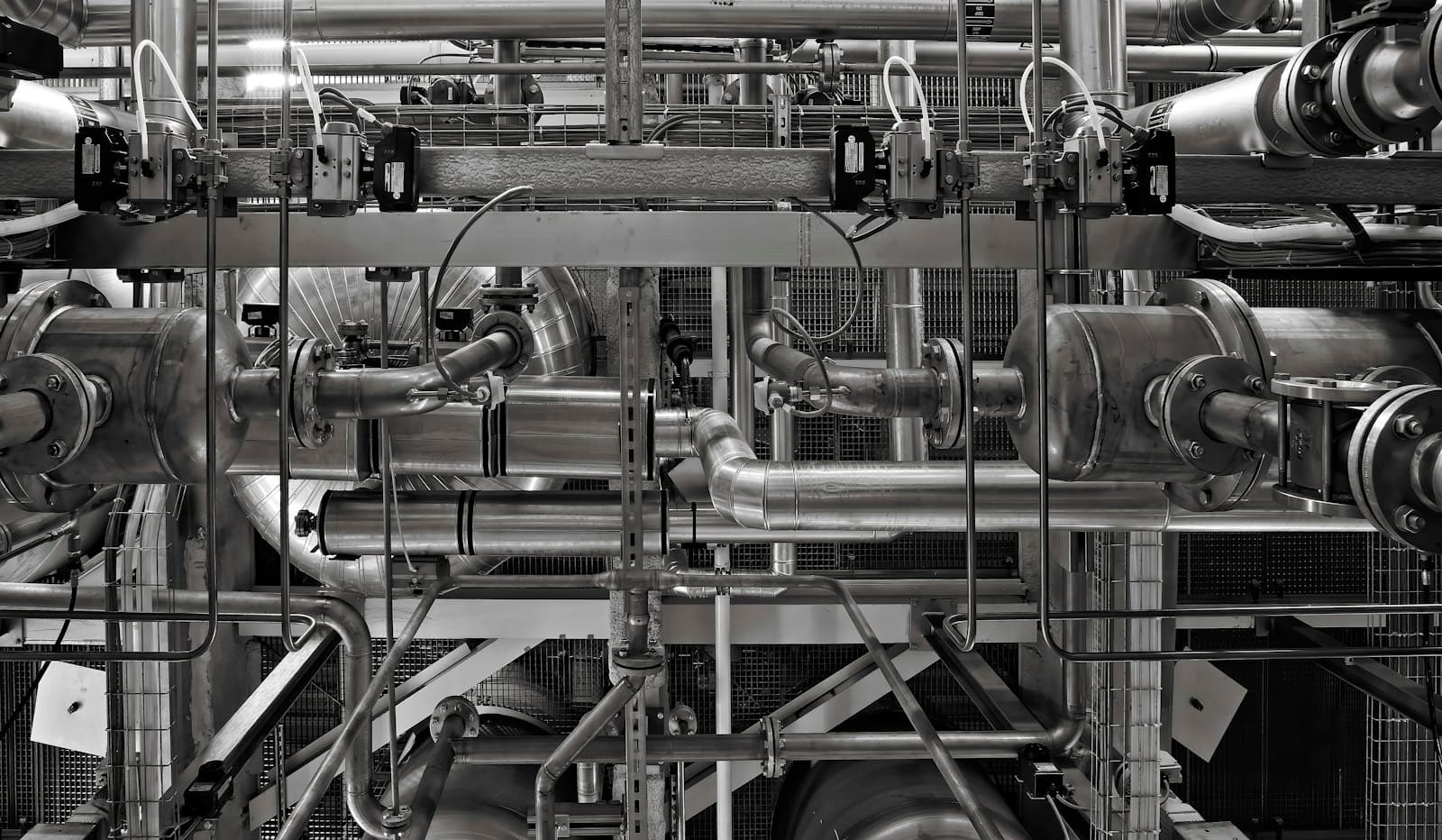
The bottleneck moved from the server to the substation.
Servers keep getting more efficient. Getting power to the site is what now stops a build, and the hardware waiting for that power is the most expensive thing in the building.
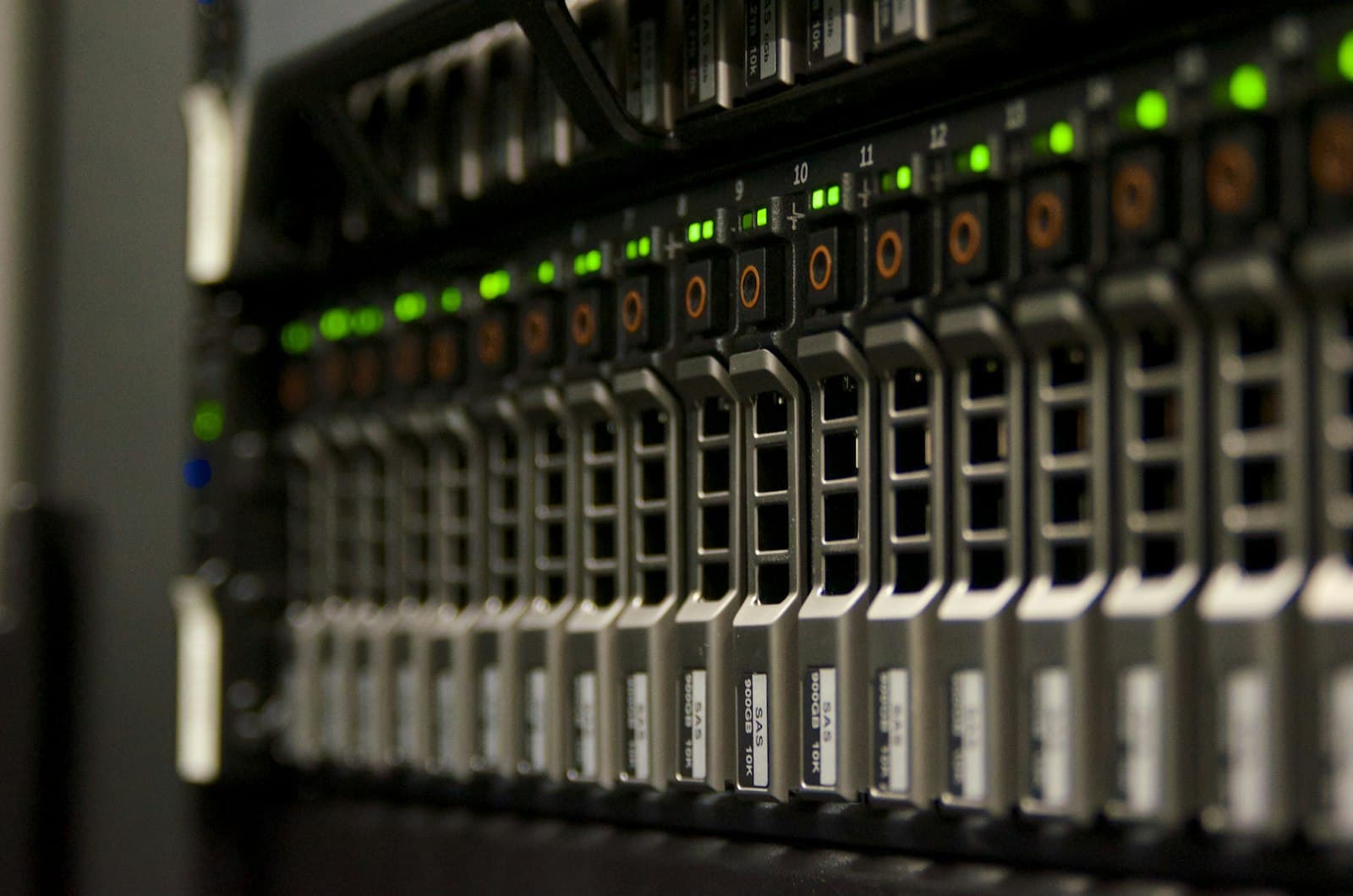
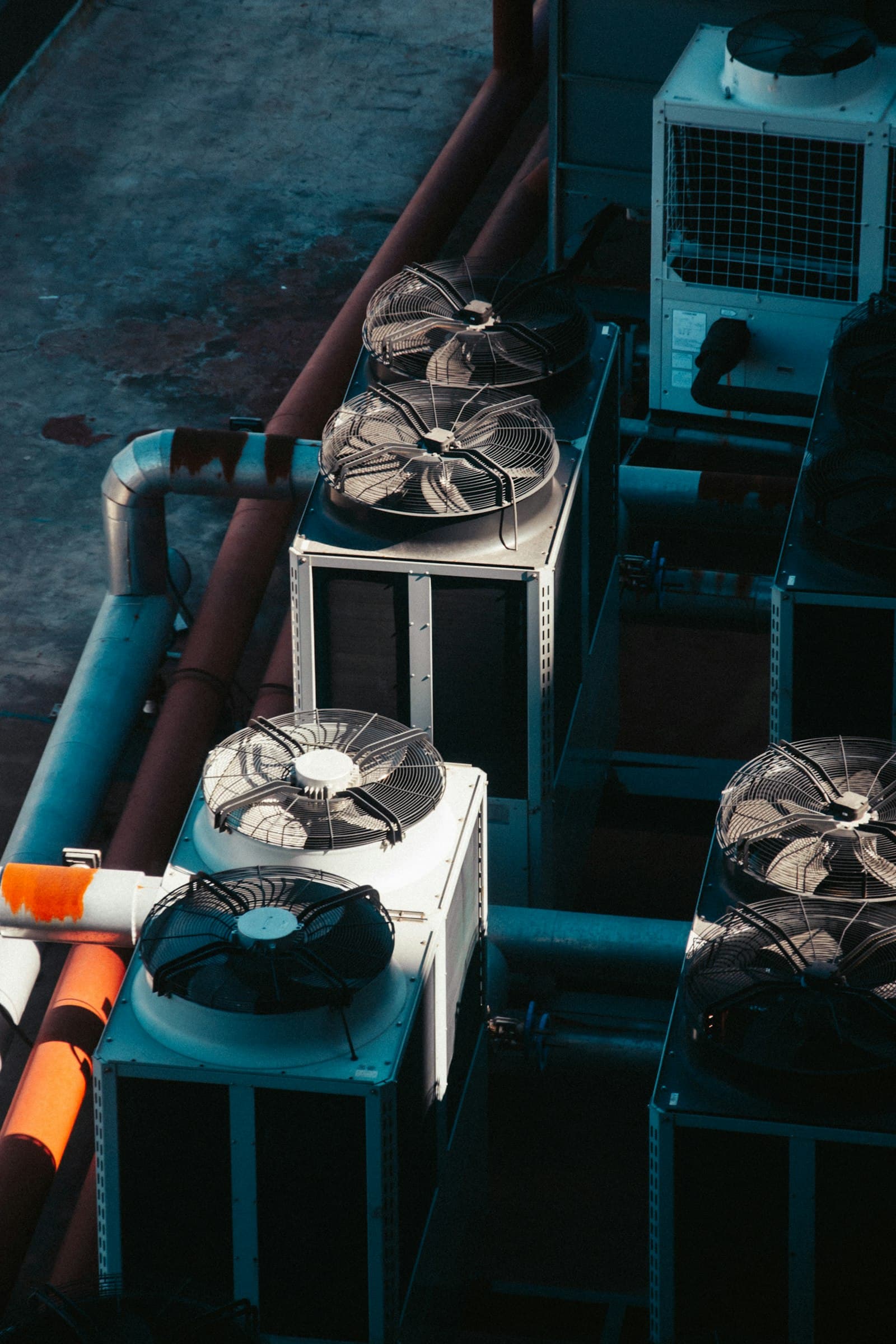
One system, followed from first megawatt to final report.
Each module owns one stage of a site's life and hands its model to the next, so the plan you build against is the facility you operate and the facility you report on.
- 01 · PlanA-101
Aidni Grid
Turn a staged interconnect into a phased compute plan.
Open system - 02 · BuildA-102
Aidni Thermal
Water use is a design choice. Make it with the numbers.
Open system - 03 · OperateA-103
Aidni Conduit
AI agents for facility operations, with exactly two verbs.
Open system - 04 · ProveA-104
Aidni Ledger
Energy, water and impact reporting you can audit line by line.
Open system
The Facility Graph: one model instead of five systems.
Power data lives in EPMS, cooling in the BMS, space in DCIM, workloads in the scheduler and plans in spreadsheets. Aidni connects them read-only into one typed graph, so a single query can trace a GPU job back to the feeder that powers it and the loop that cools it.
- Read-only connectors by default. Nothing is written back to site systems.
- Published formulas for every derived number, with an audit trail per metric.
- Deploy in Aidni cloud, your VPC, or on-premises and air-gapped.
Eight operations, or two verbs?
The obvious way to give an AI agent access to a system is to expose every operation an engineer can perform. We expose two. Observe lets an agent discover what exists and what it is doing. Propose lets it draft any change, with risk and rollback, for a person to approve.
Everything else an agent needs is a composition of those two. Our founder argued for this design on MuleSoft's MCP Server at Salesforce, and it shipped. Conduit applies it to the facility.
Built for the teams who own the megawatts.
Developers & builders
Phase the campus to the power you will actually get.
View solutionA-202Colocation operators
Sell the headroom you already have, without breaking an SLA.
View solutionA-203GPU clouds
Keep expensive GPUs powered, cooled and earning.
View solutionA-204Enterprise & public sector
Run sovereign AI infrastructure you can explain to anyone.
View solutionBounded AI already runs real data centers.
The pattern Aidni is built on, AI acting inside guardrails that operators set, is working in live facilities today. Aidni makes it the operating model for the whole site.
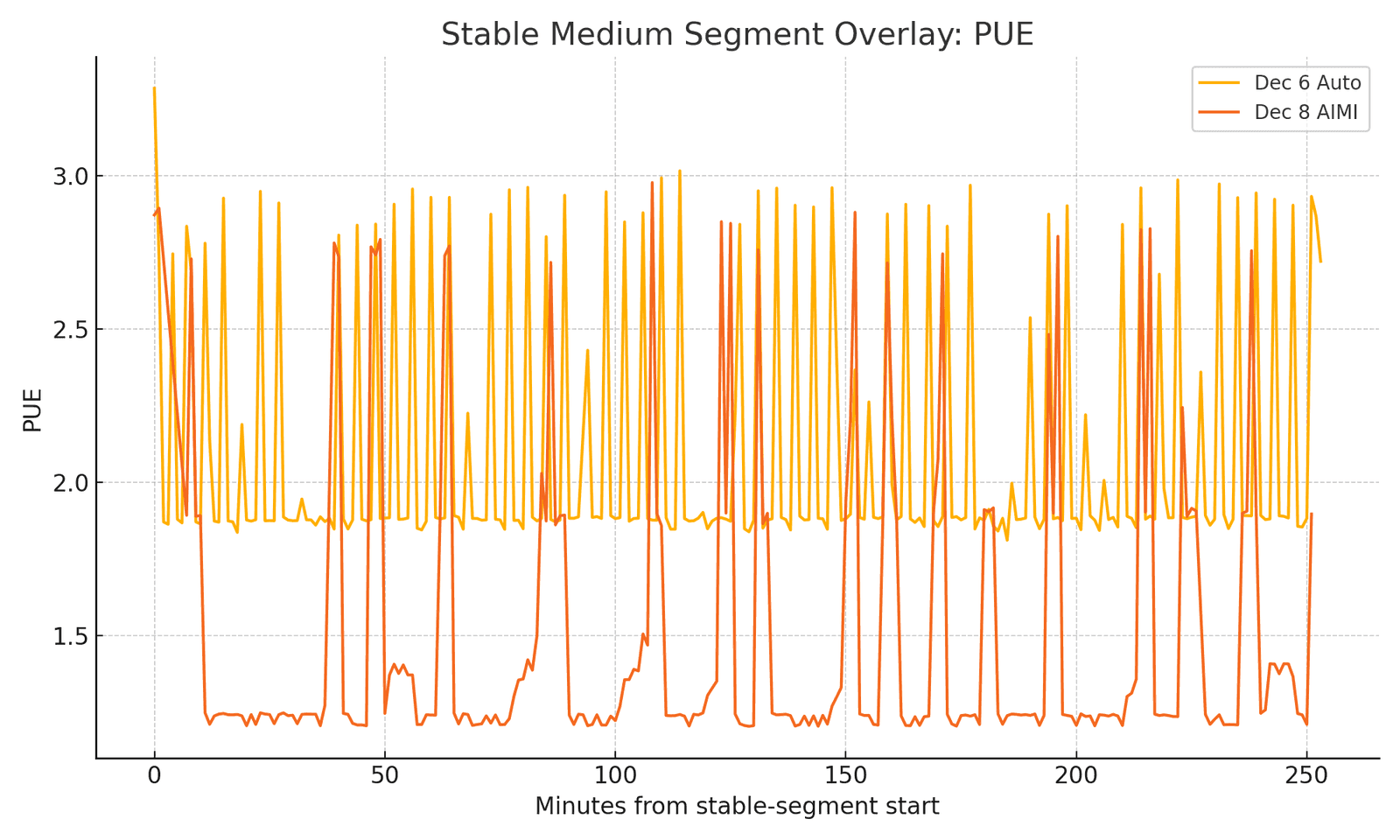
Autonomous AI cooling control in a live data center
FLUIX's A.I.M.I. controller took direct, autonomous control of cooling at TenHats, a 2 MW mission-critical, AI-ready facility, inside guardrails set by the site's operators.
Read the case studyAI cooling control at hyperscale
Google first used machine-learning recommendations to cut the energy used for cooling by up to 40%, then moved to direct AI control with layered safety constraints and operator override.
Founder precedent · MuleSoft (Salesforce) · MCP ServerA two-capability agent interface, shipped in enterprise software
Aidni's founder designed the agent interface for MuleSoft's MCP Server around two capabilities, view and create, instead of the eight operations originally proposed. It shipped and is supported today.
Modeled scenario · Aidni planning model · public cost assumptionsThe cost of a staged interconnect: a 60 MW reference campus
A reference campus receives 60 MW in two 30 MW tranches. If second-phase GPUs arrive three months before second-phase power, the idle hardware loses about $60M of its useful life.
All case studies →
Built for the next decade of AI infrastructure.
Demand is set to more than double by 2030, the grid has become the gate, and AI is entering the control room. Founded by Karishma Mandal, Aidni introduces the analytics model, planning method and agent interface that this era needs.
Bring us one site. We will show you its real capacity.
A six-week Site Assessment maps the power envelope, the cooling design and the compute plan for one facility, delivered by the engineers who build the platform.