Autonomous AI cooling control in a live data center
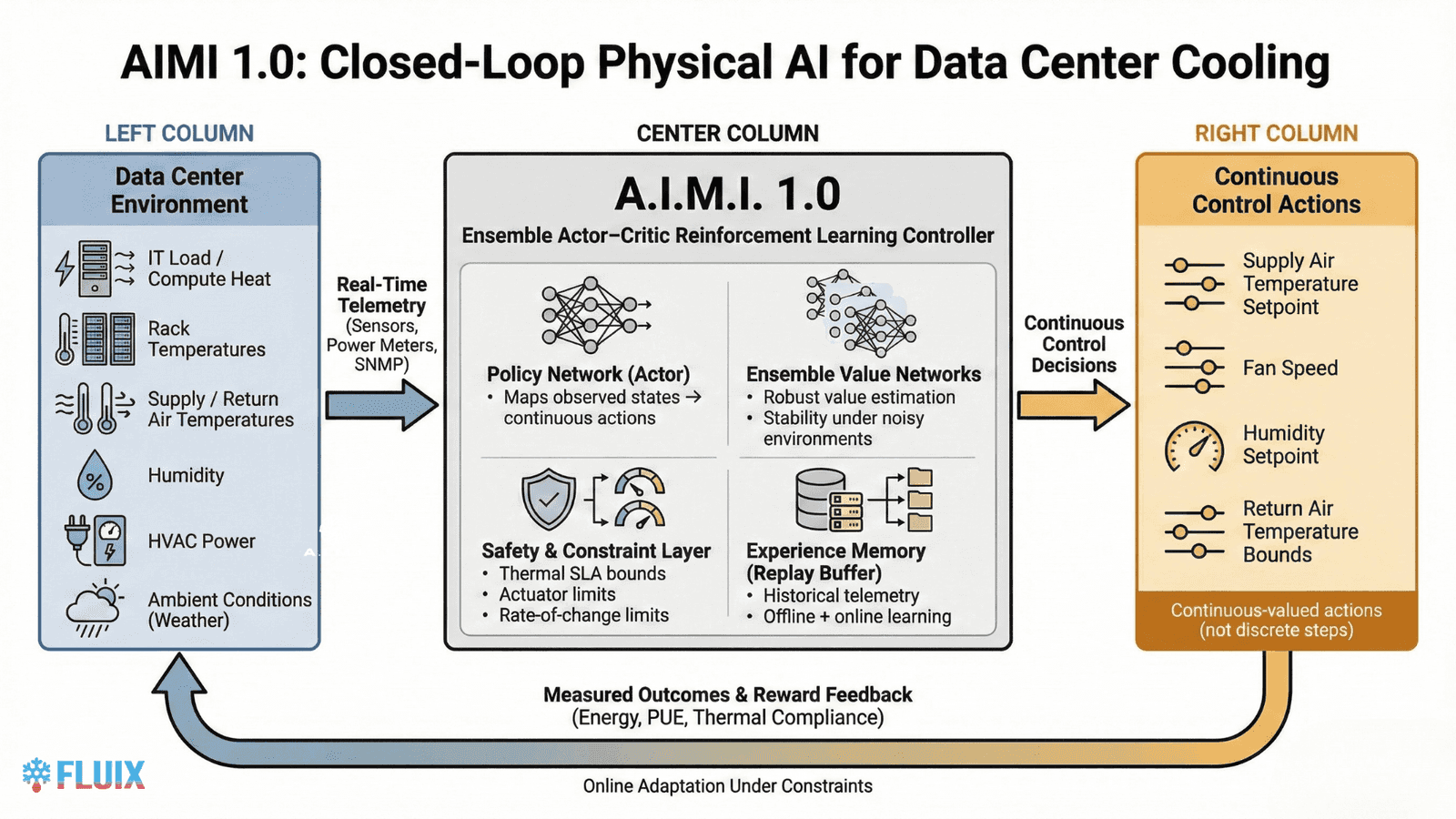
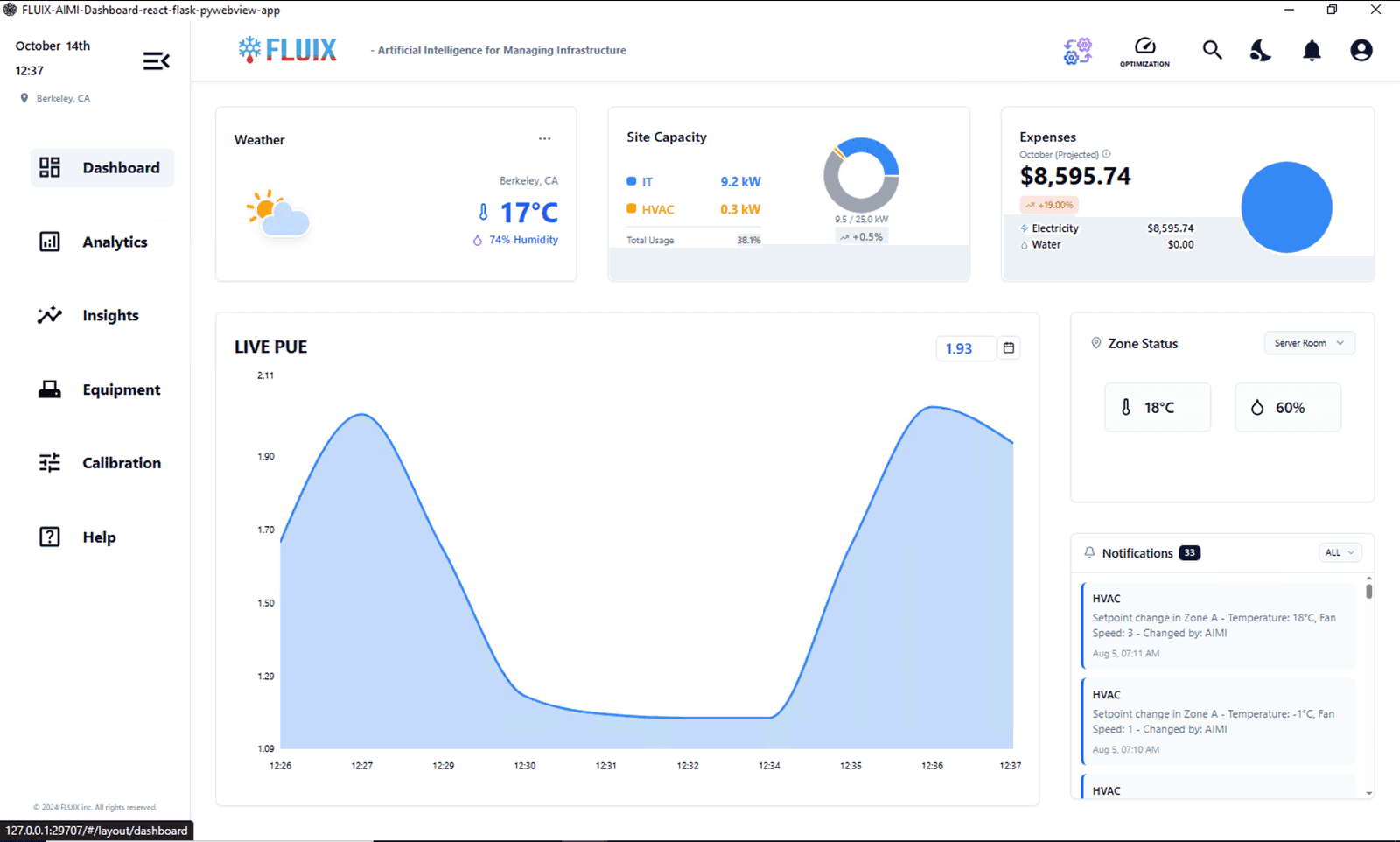
FLUIX's A.I.M.I. controller took direct, autonomous control of cooling at TenHats, a 2 MW mission-critical, AI-ready facility, inside guardrails set by the site's operators.
| Site | 2 MW, Knoxville, TN |
|---|---|
| Period | Dec 2025 – Mar 2026 |
| PUE | 1.36 → 1.27 (6.6%) |
| SLA excursions | Zero under full AI control |
| Cooling response | ~15 min → ~5 min |
| Outcome | Continuation signed |
The controller ran on-premises, integrated with the existing building management and HVAC systems, with no new sensors and no cloud dependency in the control loop. It learned the site's thermal behavior in under two weeks.
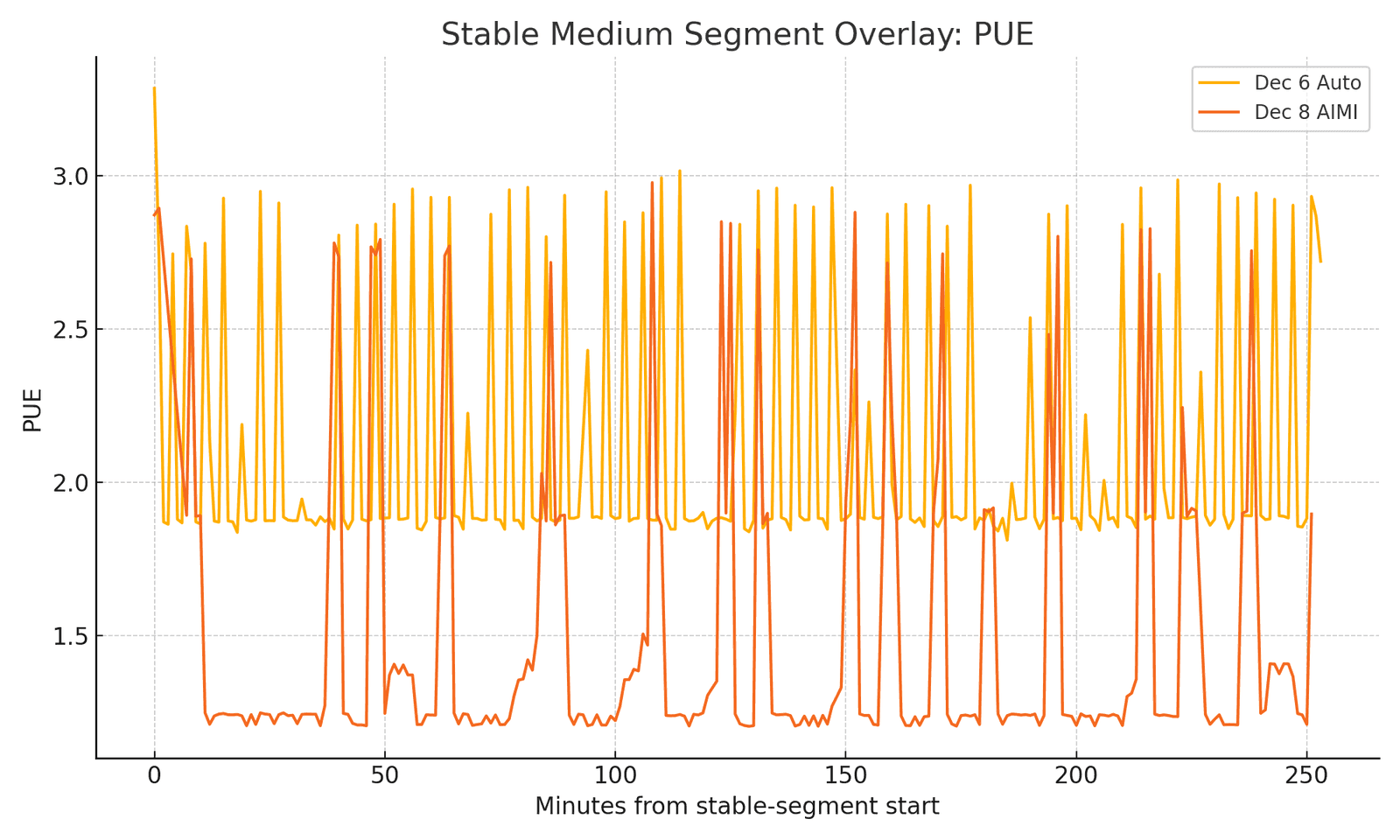
Preliminary results, reviewed by TRC, show PUE improving from 1.36 to 1.27 and modeled HVAC savings of about 0.4 MWh per day during full control periods. FLUIX projects up to about 130 kW of additional power headroom at a fully loaded 2 MW profile. TVA EnergyRight supported the research and deployment.
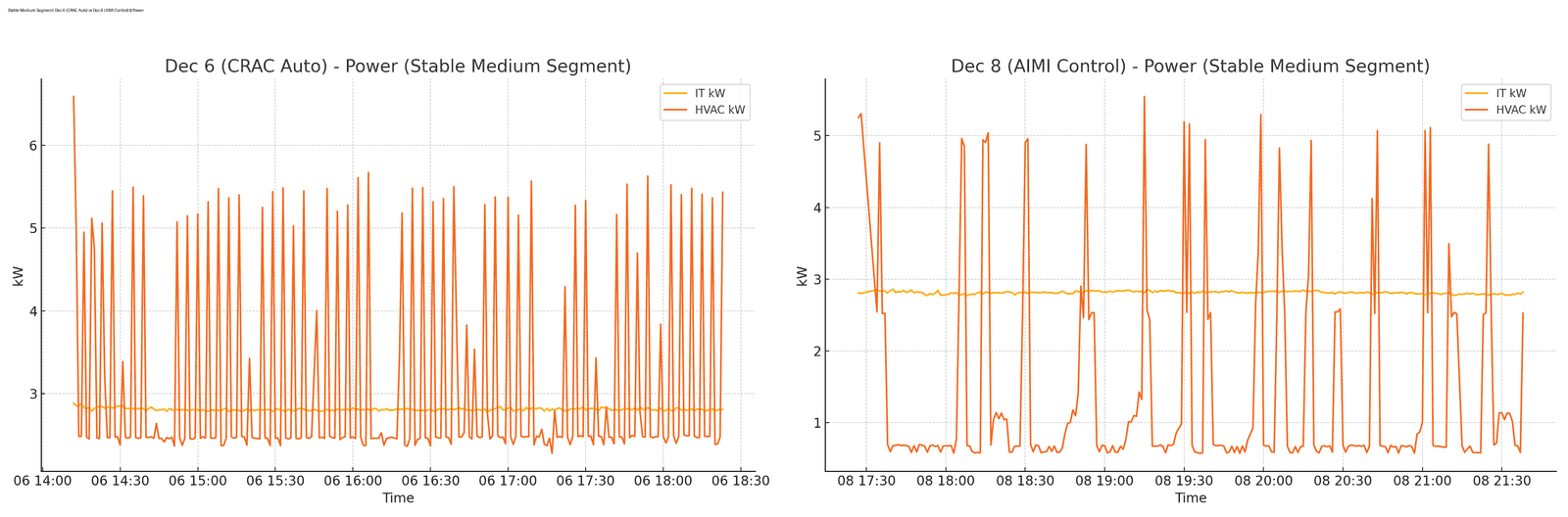
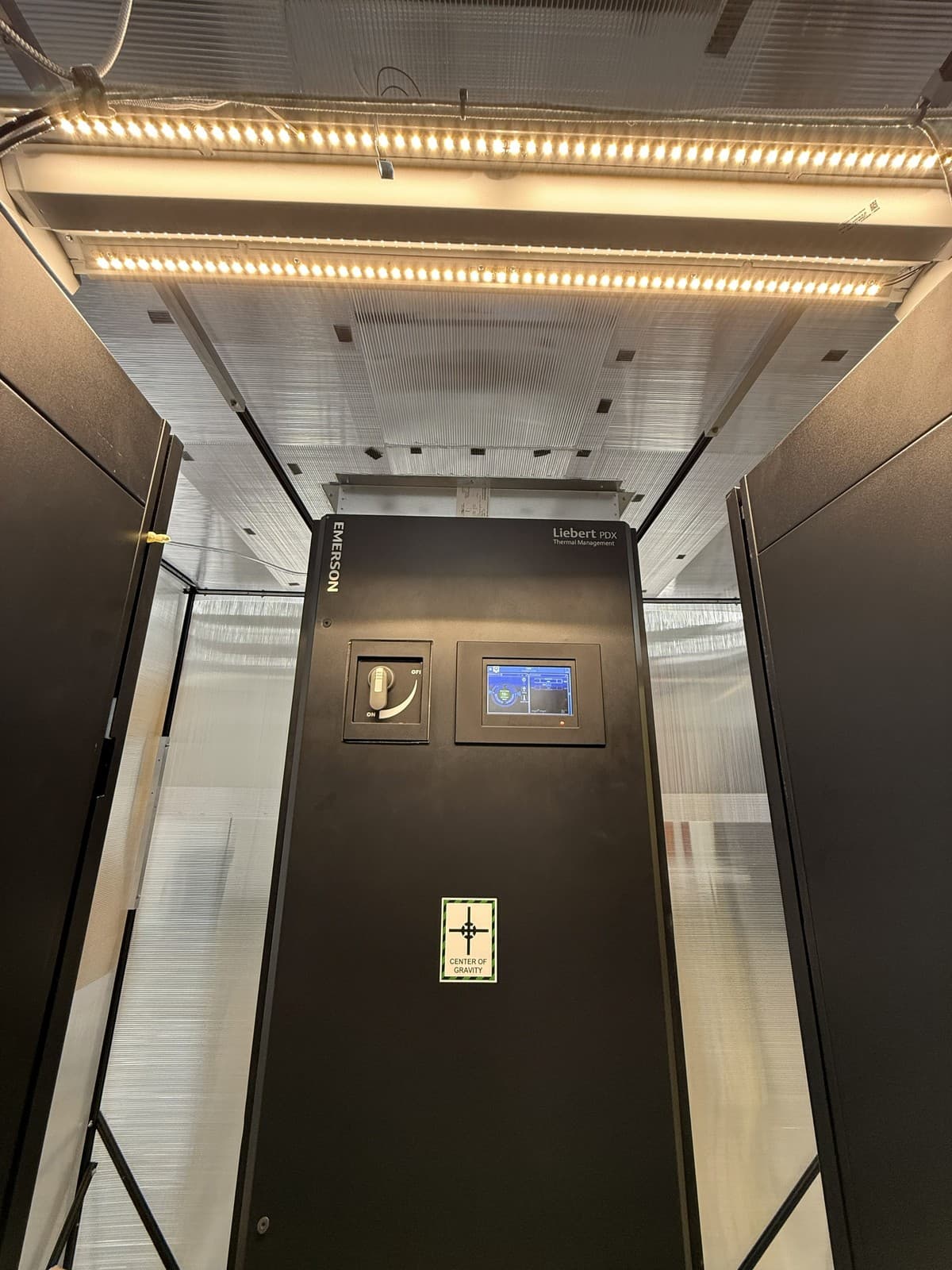
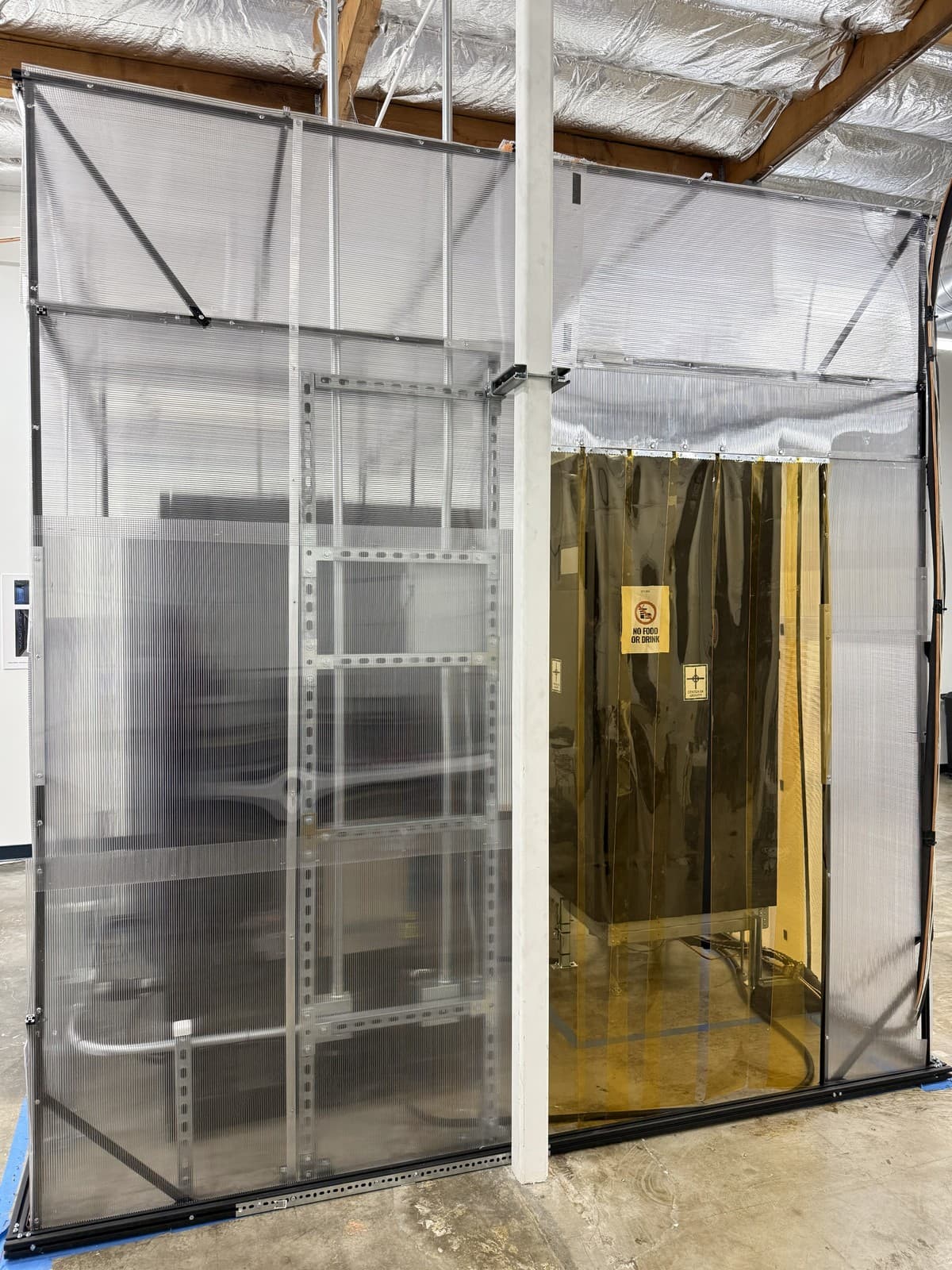
Before the live deployment, FLUIX validated the controller in a purpose-built mock data hall. In medium-load runs it cut HVAC power from 3.08 kW to 1.44 kW versus the unit's native controller, with a safety layer that checks every action against thermal and actuator limits and reverts to the native controller on any anomaly.
Results reported by FLUIX AI. Live-site figures are preliminary; lab figures are from a mock data hall.
AI can operate real data-center systems safely when it is bounded by operator guardrails, hard limits and fail-safes, and the efficiency it recovers turns directly into power headroom. That is the operating principle behind Conduit, and the headroom is exactly what Grid plans compute against.
The controller and its lab validation.
FLUIX AI builds A.I.M.I., an autonomous controller for data-center cooling. Aidni and FLUIX work together on governed AI operations for data centers.
fluix.ai →Bring us one site. We will show you its real capacity.
A six-week Site Assessment maps the power envelope, the cooling design and the compute plan for one facility, delivered by the engineers who build the platform.