Two verbs are enough: designing AI agents for critical infrastructure
The safest way to let AI help run a data center is not a better model. It is a smaller interface: agents that can observe and propose, and people who approve.
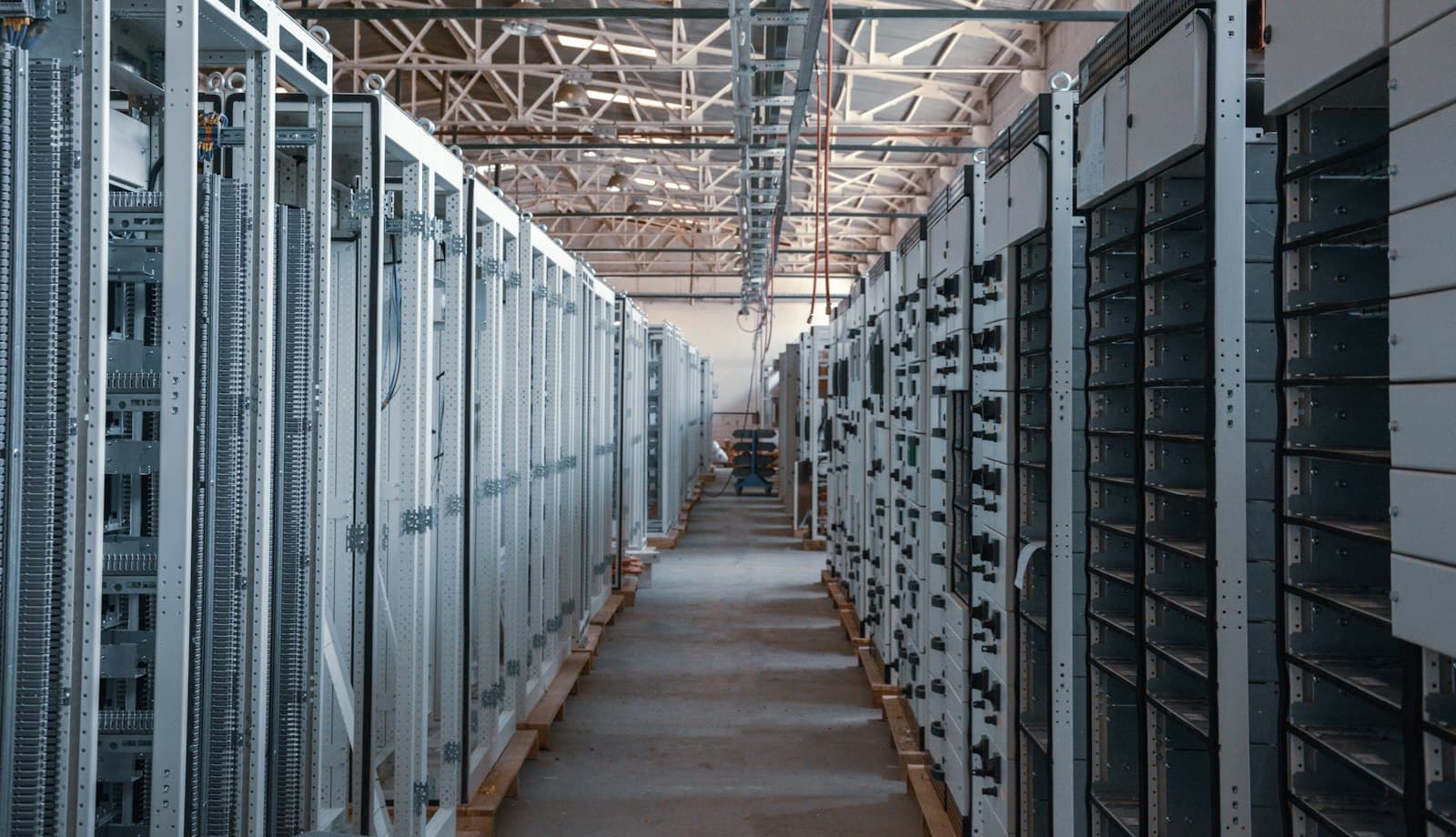
When teams first connect an AI agent to an operational system, the instinct is completeness: expose every operation an engineer can perform, so the agent is never stuck. In enterprise software that produces a large, hard-to-audit tool surface. In a data center it produces something worse: software with the theoretical ability to change power and cooling on its own.
Most operations are compositions
I faced this choice designing the agent interface for MuleSoft's MCP Server. The proposal on the table exposed eight operations. We shipped two, view and create, because an agent that can see what exists and create something new can compose the rest. The other six added surface area, not capability.
Physical infrastructure makes the case stronger. For a data center, the two verbs become Observe and Propose.
Observe and Propose
- Observe: read the facility model and live telemetry, meaning what exists, how it connects, what it is doing and what changed. Always read-only.
- Propose: draft a change such as moving workloads, adjusting a setpoint or scheduling maintenance, with its blast radius, risk, rollback and owner computed from the model.
- Approve: a named person accepts the proposal in the change process the operator already runs.
- Execute: the system that already owns the action carries it out. The agent never bypasses it.
The precedents agree
The strongest results in AI for data centers come from systems built this way. Google's autonomous cooling control verified every action against operator constraints twice and let operators exit AI control at any time, and still delivered around 30% average savings. FLUIX's controller at a 2 MW AI-ready site in Tennessee ran inside guardrails set by the site's operators, with zero SLA excursions under full control.
Safety in critical infrastructure comes from what the agent is unable to do, not from hoping the model behaves. That is the design principle behind Aidni Conduit.