The most expensive megawatt is the one you are waiting for
In a staged AI build, the largest avoidable cost is not energy. It is compute that arrives before the power does. Here is the math, and how to plan it out.
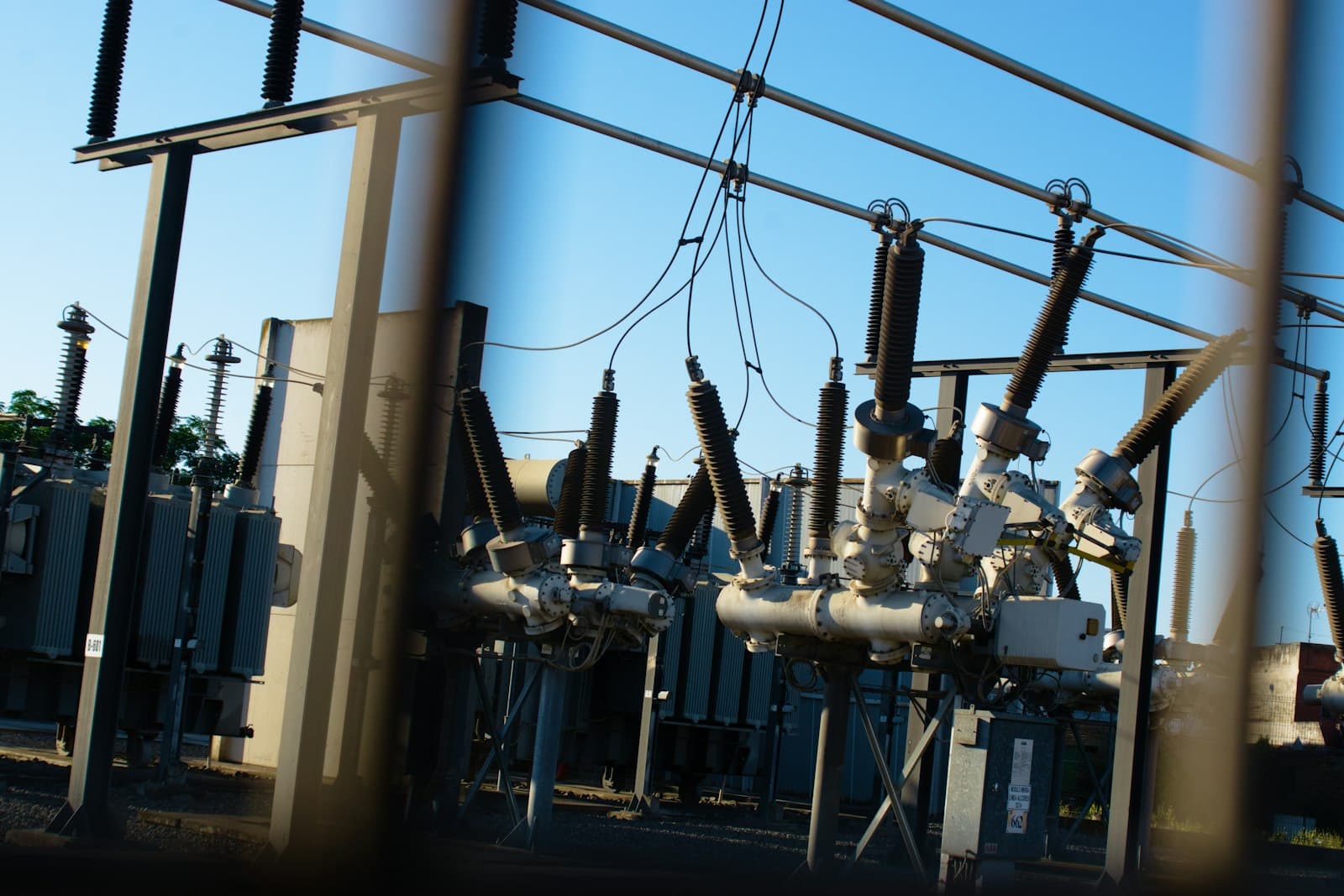
Ask a data-center developer what limits their next campus and the answer is rarely land, chips or capital. It is the substation. Utilities deliver new capacity in tranches, and a campus designed for its final load is energized one phase at a time.
Why the delay matters more than the energy bill
Consider a reference campus allocated 60 MW in two 30 MW tranches. At a design PUE of 1.25, each tranche supports 24 MW of IT load: about 184 racks at 130 kW, or 13,248 accelerators at 72 per rack. At $30M of compute capital per megawatt, each phase carries roughly $720M of hardware.
Accelerators lose value on a refresh cycle of two to three years whether or not they are powered. On a 36-month life, that phase consumes about $20M of useful life per month. If phase-two hardware arrives three months before phase-two power, about $60M of value is gone before the first token is served.
Power-first planning
- Start from the interconnection schedule and work forward: MW per phase, then IT load after PUE and redundancy, then racks, then GPUs.
- Make cooling capacity a first-class constraint per phase, so density never outruns heat rejection.
- Sequence purchase orders to energization dates, and price every month of slip in lost accelerator life.
- Revisit the plan when the utility schedule moves, because it will.
Flexibility can pull capacity forward
There is a second lever. Research from Duke University estimates the US grid could absorb 76 to 126 GW of new load if those loads can flex for 0.25% to 1% of the year. A site that can see its own headroom and prove it can shed load on request has a stronger case for connecting sooner. That requires knowing, in real time, what every megawatt on site is doing.
This is the problem Aidni Grid is built for: one model of the power chain, a compute plan for every energization phase, and a dollar value on every month of delay.