Who gets to touch the data center? Access systems for people and AI agents, notes from Okta
At the Auth0 x Stripe "Built Different" hackathon at Okta, Karishma Mandal spoke about the many access systems a data center depends on, and what changes when AI agents need access too.
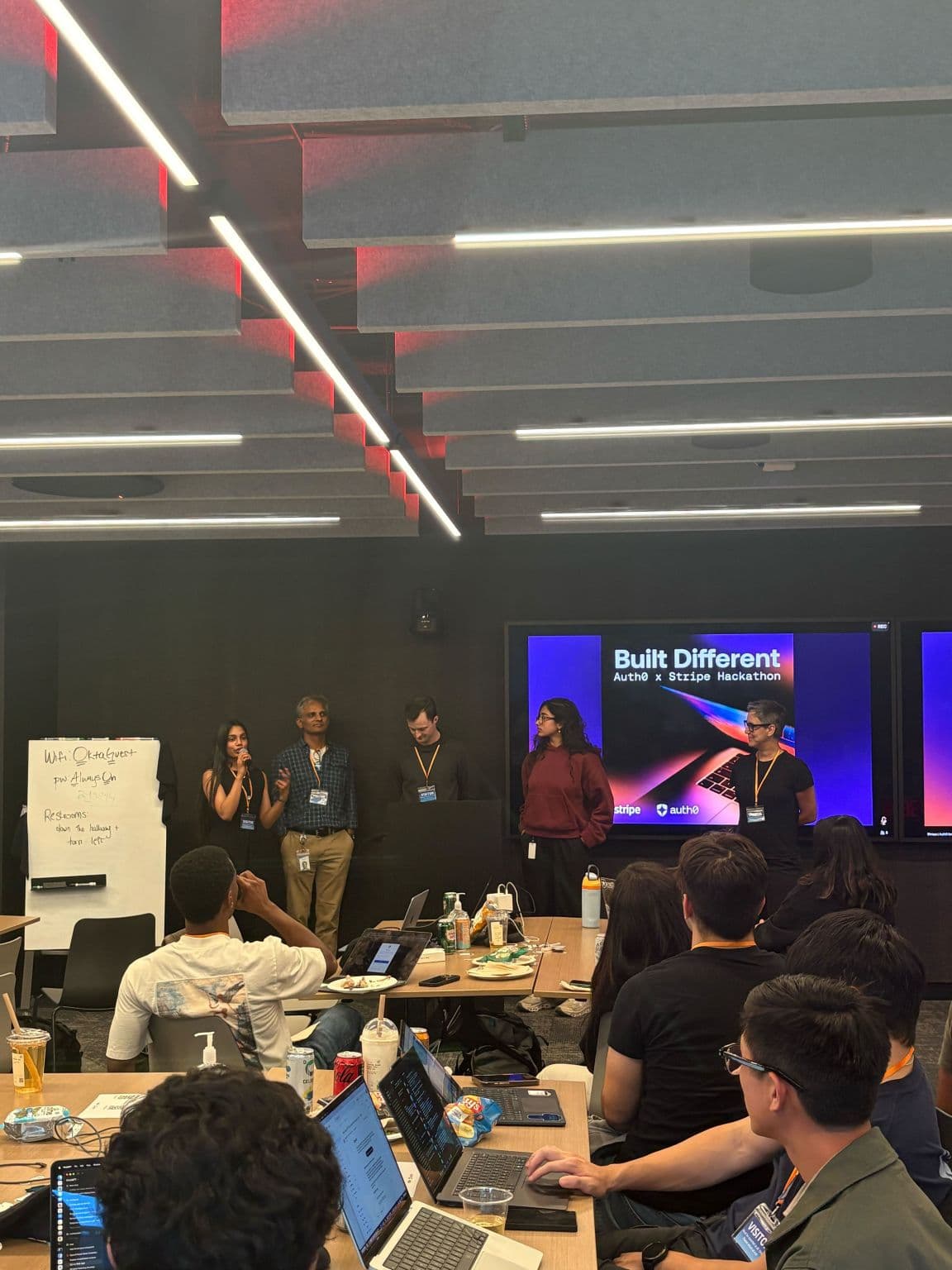
Okta hosted the Auth0 x Stripe "Built Different" hackathon, and Karishma Mandal spoke to the builders in the room about a problem that sits underneath every data center: access. Who, and increasingly what, is allowed to touch which system, and how does anyone prove it afterward?
A data center runs on several access systems at once
Most industries manage one identity system. A data center operates at least five, usually owned by different teams:
- Physical access: badges, mantraps and escorted visits to halls, cages and plant rooms.
- Operational technology: building management, power monitoring and electrical controls, often on separate networks with shared or local accounts.
- IT infrastructure: servers, out-of-band management and network devices.
- Tenant and customer access: portals, cross-connect orders and remote-hands tickets.
- Change control: the approvals that decide whether any of the above may be touched today.
The seams are where incidents happen
Because these systems were never designed together, the same person can hold very different rights in each, shared credentials survive long after a contractor leaves, and an auditor has to reconstruct a change from five logs that disagree. Karishma's argument was that identity in critical facilities should be unified around the action, not the system: one identity, scoped permissions per hall, row and system, and one record of who approved what.
AI agents need identities too
The newest participant in the data center is software that acts on its own. An AI agent triaging alarms or planning a capacity move needs access to the same systems a shift engineer uses, and it should never inherit a human's broad credentials.
- Give every agent its own identity, so its actions are attributable.
- Scope permissions to the smallest useful surface: read what it needs, propose what it may.
- Route anything that changes the facility to a named human approver, using delegated authorization standards such as OAuth 2.0 rather than shared secrets.
- Log every read, proposal and approval in one audit trail.
How this shapes Aidni
These principles are built into Aidni Conduit: agents have two verbs, Observe and Propose, scoped by policy to specific halls, rows and systems, and every proposal moves through the operator's existing change process before anything happens. Builders at the hackathon were working on exactly the identity and payment primitives that make this kind of delegated, auditable access possible.